From Harajuku to Your FYP: How Japanese Street Style Took Over Gen Z's Wardrobe
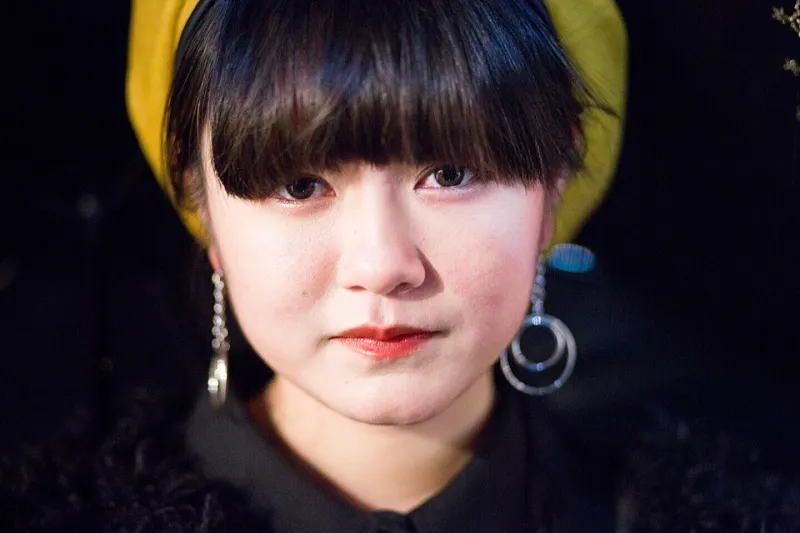
Photo: Dick Thomas Johnson from Tokyo, Japan, CC BY 2.0, via Wikimedia Commons
Walk into any college campus in the US right now and pay attention. The wide-leg trousers, the deconstructed layering, the perfectly oversized graphic tees with kanji that may or may not be ironic — it's everywhere. Japanese street fashion has quietly, then suddenly, become the defining aesthetic of a generation that was supposed to be obsessed with American streetwear and fast fashion hauls. So what happened?
The short answer: TikTok. The longer answer is way more interesting.
TikTok Did What MTV Couldn't
Back in the day, fashion trends crossed oceans through magazines, music videos, and the occasional celebrity airport photo. Now, a 22-year-old in Osaka can post a fit check in the morning and have it replicated by a teenager in Ohio by the weekend. TikTok's algorithm doesn't care about geography — it cares about engagement, and Japanese street fashion is deeply engaging.
Creators like @tokyofashiondiaries and American influencers who've pivoted hard into Japanese aesthetics — think @wearingtokyo and the broader "JFashion" creator community — have racked up millions of views by simply showcasing how Japanese style actually works in real life. Not runway fantasy. Real fits, real streets, real people.
"I used to post about Zara and H&M and get decent numbers," says Maya Chen, a 24-year-old fashion content creator based in Los Angeles who now focuses almost exclusively on Japanese brands. "The moment I started incorporating pieces from brands like Uniqlo collabs, Beams, and smaller Harajuku labels, my engagement tripled. Gen Z can smell authenticity. They know when something has actual cultural weight behind it."
Maya's not alone. Across TikTok and Instagram, a whole wave of American fashion influencers have made the pivot, and their audiences have followed enthusiastically.
Harajuku Is Having Its Moment (Again, But Different)
If you were a certain kind of teenager in the early 2000s, you probably remember Gwen Stefani's Harajuku Girls era — a deeply complicated, often criticized Western interpretation of Tokyo's wildest fashion district. That version of Harajuku was about spectacle, about treating Japanese culture as costume.
What Gen Z is doing is fundamentally different. Today's embrace of Harajuku aesthetics — the layered decora style, the gothic lolita references, the Fruits magazine-era maximalism — comes with a genuine curiosity about the culture behind the clothes. These kids are watching Japanese street fashion documentaries, following actual Harajuku designers on social media, and learning the difference between wearing something at a culture versus engaging with it.
Brands like 6%DOKIDOKI, which has been pushing colorful, maximalist Harajuku fashion since the '90s, are suddenly finding new American audiences. Vintage Milk Boy pieces are fetching wild prices on Depop. The pipeline from Harajuku to American Gen Z closets has never been more direct.
But It's Not Just the Wild Stuff
Here's where it gets really interesting: the quieter side of Japanese fashion is having just as big a moment. "Quiet luxury" — that understated, high-quality, let-the-fabric-speak aesthetic — has a distinctly Japanese version that feels completely different from its European counterparts.
Brands like Comoli, Auralee, and the endlessly discussed Uniqlo (yes, Uniqlo is genuinely cool now, deal with it) represent a Japanese approach to minimalism that prioritizes craft, fit, and intentionality over logos and hype. For a generation that grew up watching fast fashion's environmental catastrophe unfold in real time, there's something genuinely appealing about clothes designed to be worn for years rather than seasons.
"Japanese minimalism isn't boring minimalism," explains Jordan Park, a 21-year-old fashion student at FIT in New York. "There's a philosophy behind it. The concept of mottainai — not wasting things, valuing what you have — it actually translates directly into how you approach building a wardrobe. I'd rather have five incredible Japanese pieces than fifty things from Shein."
That anti-fast-fashion sentiment is crucial. Gen Z has watched the fast fashion industry get exposed for its labor practices, its environmental destruction, its role in the homogenization of global style. Japanese fashion — whether maximalist Harajuku or minimal Kyoto-cool — offers an alternative that feels both authentic and considered.
The Brands Actually Winning American Hearts
So who's actually moving units? A few names keep coming up in every conversation.
Uniqlo remains the gateway drug. Affordable, widely available in the US, and backed by collabs with designers like Marimekko and JW Anderson, it's the entry point that leads people deeper into Japanese fashion rabbit holes.
Kapital has become a cult obsession among American vintage and workwear heads — their crazy-quilt denim and indigo-dyed pieces have a handmade quality that feels genuinely countercultural.
Beams and United Arrows represent the sophisticated middle ground — editorial, cool, accessible enough to wear daily but thoughtful enough to feel special.
And then there are the smaller Harajuku labels, the vintage finds from Japanese auction sites like Mercari Japan, the one-of-a-kind pieces that American buyers are increasingly willing to navigate language barriers and international shipping to obtain.
What This Actually Says About Us Right Now
Fashion has always been a mirror. What Gen Z's embrace of Japanese street style reflects is a generation searching for authenticity in a world drowning in algorithmic sameness. When every mall in America has the same ten stores selling the same thirty items, finding a genuine aesthetic tradition with depth, history, and genuine weirdness feels revelatory.
It also reflects a broader cultural shift in how young Americans relate to Japan. Anime, manga, Japanese gaming culture, Japanese food — these aren't niche interests anymore. They're mainstream, and fashion is the natural extension of a generation that grew up genuinely engaged with Japanese culture rather than just consuming it at a distance.
The Harajuku-to-FYP pipeline isn't a trend. It's a realignment. And honestly? American style is better for it.