Prestige TV Broke Our Brains, So We're All Quietly Watching Japanese Shows About Lunch

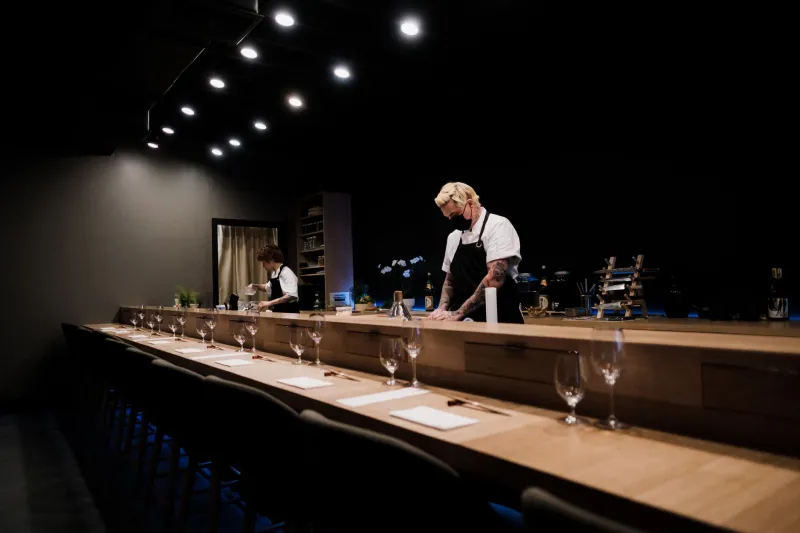
Photo: cozy japanese drama late night diner scene warm lighting, via images.stockcake.com
Somewhere between episode four of a prestige drama about a grieving detective and the third consecutive documentary about a scammer, I noticed what I was actually watching at the end of my worst days: a Japanese series in which an office worker heats up her lunch, eats it on a rooftop, and says maybe twelve lines of dialogue. Nothing explodes. Nobody cheats on anyone. The most dramatic event across eight episodes is a slightly disappointing potato salad.
I'm not alone. Scroll any streaming platform's "because you watched" rabbit hole and you'll find it: the unnamed genre. Low-conflict Japanese dramas. Healing anime. Shows about people doing small tasks gently. Nobody's marketing it as a category yet, but the viewing numbers — and the Reddit threads full of Americans calling these shows "my emotional support series" — tell the story.
The Prestige TV Hangover Is Real
For a decade, the cultural consensus was that serious television should hurt. Prestige TV trained us to equate quality with suffering: the red wedding, the drug kingpins, the marriages imploding in prestige lighting. Great art, sure. But at some point — around, say, the year 2025, when the news itself became a prestige drama nobody can turn off — American viewers hit a wall.
The result is a mass migration toward the opposite emotional register. Japanese dramas like Midnight Diner, with its framing device of a late-night eatery serving whatever comfort food each lonely customer needs, have become word-of-mouth juggernauts here precisely because nothing in them is trying to traumatize you. Healing anime — shows like Laid-Back Camp, where the stakes are literally "will the camping trip be nice" — dominate the rewatch charts of people who describe them as "brain reset content."
What Slow TV Is Actually Selling
The critical mistake is calling these shows boring. They're not boring — they're low-stakes by design, and that's a completely different product.
Japanese storytelling has long traditions of finding drama in the microscopic: the pause before an answer, the care put into plating a meal, the unspoken tension between coworkers who are too polite to say what they mean. Conflict exists in these shows, but it's calibrated to human scale. The resolution isn't a shootout; it's someone finally saying "thank you" properly.
For an American audience running on four hours of sleep, two jobs, and a doomscrolling habit, that calibration feels less like entertainment and more like regulated nervous system support. We are, as a country, stressed in ways that a detective drama cannot fix. A show about a man quietly making ramen at midnight, apparently, can.
The Takeaway
Here's my prediction: within two years, Netflix and its rivals will formally name this category — "comfort viewing," "cozy drama," whatever the algorithm team settles on — and slap a row on the homepage. When they do, remember that the audience was already there, quietly watching office workers eat lunch.
Because the genre nobody's naming is really telling us something we already know: America in 2025 isn't starved for more stimulation. We're starved for permission to stop.
Pass the potato salad.