Broken and Gorgeous: How Kintsugi Is Giving Gen Z Permission to Stop Hiding Their Damage
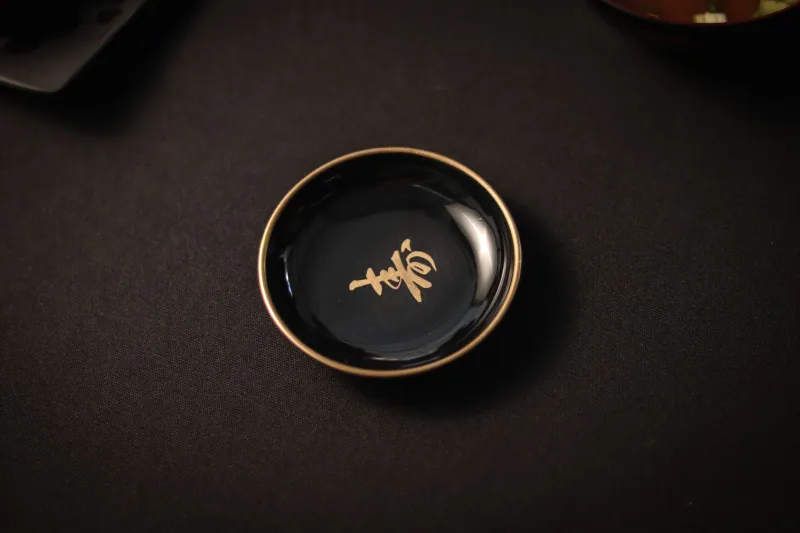
There's a bowl sitting in a museum in Kyoto that's been shattered and reassembled so many times it barely resembles its original form. And yet, it's arguably the most beautiful object in the room. The seams where it broke apart are filled with gold — bright, deliberate, unapologetic. It doesn't pretend the damage never happened. It announces it.
That's kintsugi. And right now, it's becoming one of the most quietly radical ideas circulating through Gen Z's mental health conversation.
What Even Is Kintsugi?
Kintsugi — literally translated as "golden joinery" — is a Japanese ceramic repair technique that dates back to the 15th century. The legend goes that a shogun sent a cracked tea bowl to China for repairs and got it back held together with ugly metal staples. Unimpressed, he commissioned Japanese craftsmen to find something better. What they came up with was a lacquer mixed with powdered gold, silver, or platinum — a method that didn't just fix the break but transformed it into a feature.
The philosophy underneath it is even more compelling than the craft: an object's history, including its damage, is part of what makes it valuable. Breaking something doesn't diminish it. It adds to its story.
For centuries, that idea lived mostly in pottery studios and art history textbooks. But somewhere between therapy TikTok and the post-pandemic reckoning with mental health, it jumped the fence.
Gen Z's Complicated Relationship With 'Being Fixed'
Here's the thing about growing up in the age of Instagram: you learned early that the goal was seamlessness. Filters exist for a reason. Highlight reels are the currency. The cultural message — even when it dressed itself up in wellness language — was always the same: work on yourself until there's nothing left to work on, and then present that polished version to the world.
But Gen Z is exhausted by that script. They've watched older generations perform wellness while quietly falling apart. They came of age during a global pandemic, a mental health crisis that's still very much ongoing, and a social media landscape that simultaneously demands vulnerability and punishes imperfection. The "fix yourself and hide the evidence" mentality isn't just unrealistic to them — it feels dishonest.
Enter kintsugi.
The concept has been quietly spreading across mental health spaces, therapy offices, and yes, aesthetic Pinterest boards, as a counter-narrative. Instead of "heal so you can seem whole again," it offers something different: heal visibly, and let the healing be part of who you are.
Why This Hits Different Right Now
Therapists and mental health advocates in the US have started actively using kintsugi as a framework — not just a metaphor, but a genuine reorientation of how we think about trauma and recovery. Dr. Tomás Navarro, a psychologist who literally wrote a book called Kintsugi: The Japanese Art of Finding Beauty in Imperfection, has talked extensively about how Western culture tends to treat psychological wounds as problems to be eliminated rather than experiences to be integrated.
Gen Z, more than any generation before them, seems to be actually internalizing that distinction.
Look at how they talk about mental health online. There's a rawness to it that would have been unthinkable even ten years ago — people posting about their diagnoses, their bad therapy sessions, their relapses, their complicated feelings about healing itself. It's not trauma dumping for shock value (well, not always). It's a generation that genuinely seems to believe their struggles are worth acknowledging out loud, not because suffering is cool, but because pretending it isn't there is costing everyone too much.
Kintsugi gives that impulse an aesthetic language. It makes visible healing feel intentional rather than just messy.
The Aesthetic Isn't Accidental
Let's not ignore the visual dimension here, because Gen Z absolutely hasn't. Kintsugi-inspired imagery is everywhere — cracked ceramics repaired with gold veins showing up in home decor, in tattoo designs, in editorial photo shoots, in the kind of slow, meditative craft content that's been quietly dominating a corner of YouTube and Instagram for the past couple of years.
There's something powerful about an aesthetic that says the break is the point. In a culture that still largely sells us concealer, filters, and highlight reels, choosing to make your damage decorative is genuinely subversive. It's not self-pity. It's not performative suffering. It's saying: this happened, it changed me, and the change is visible — and somehow that's okay. More than okay.
Some people are even doing it literally. Kintsugi workshops have been popping up in cities like New York, LA, and Chicago — spaces where you can bring a broken piece of pottery (or buy one to break on purpose) and spend an afternoon repairing it with gold. The waitlists, in some places, are long.
What Kintsugi Gets Right That Wellness Culture Gets Wrong
Mainstream wellness culture has a sneaky way of repackaging the same old pressure in softer language. "Glow up" is just "fix yourself" with better lighting. "Your best self" still implies there's a version of you that needs to be improved out of existence. Even a lot of therapy-speak, when it filters down through Instagram captions, ends up sounding like: work on this until it's gone.
Kintsugi refuses that framing entirely. It doesn't ask you to eliminate your scars — it asks you to honor them. Not wallow in them. Not perform them. Honor them, the way you'd honor anything that shaped you.
That's a fundamentally different relationship with personal history. And for a generation that's been told their anxiety, their depression, their complicated family dynamics, their pandemic grief, their everything — are things to be optimized away, it lands like a permission slip.
You don't have to be seamless. You just have to be honest about where the gold is.
Bringing It Home
None of this means kintsugi is some magic fix for the mental health crisis Gen Z is navigating. The actual work is still the work — therapy, community, rest, whatever combination of things keeps a person functional and connected to themselves. But the philosophy matters because it changes the goal.
If the goal is seamlessness, you'll always be failing. If the goal is integration — actually incorporating your history, your breaks, your repairs into who you are — that's achievable. That's even beautiful.
Japan has known this for five centuries. A cracked bowl filled with gold is worth more than an unbroken one, because it has a story the perfect bowl will never have.
Gen Z is just finally catching up. And honestly? The timing couldn't be better.