Six-Dollar Tulips, One Hour of Peace: The Grocery Store Flower Trend That's Secretly Therapy
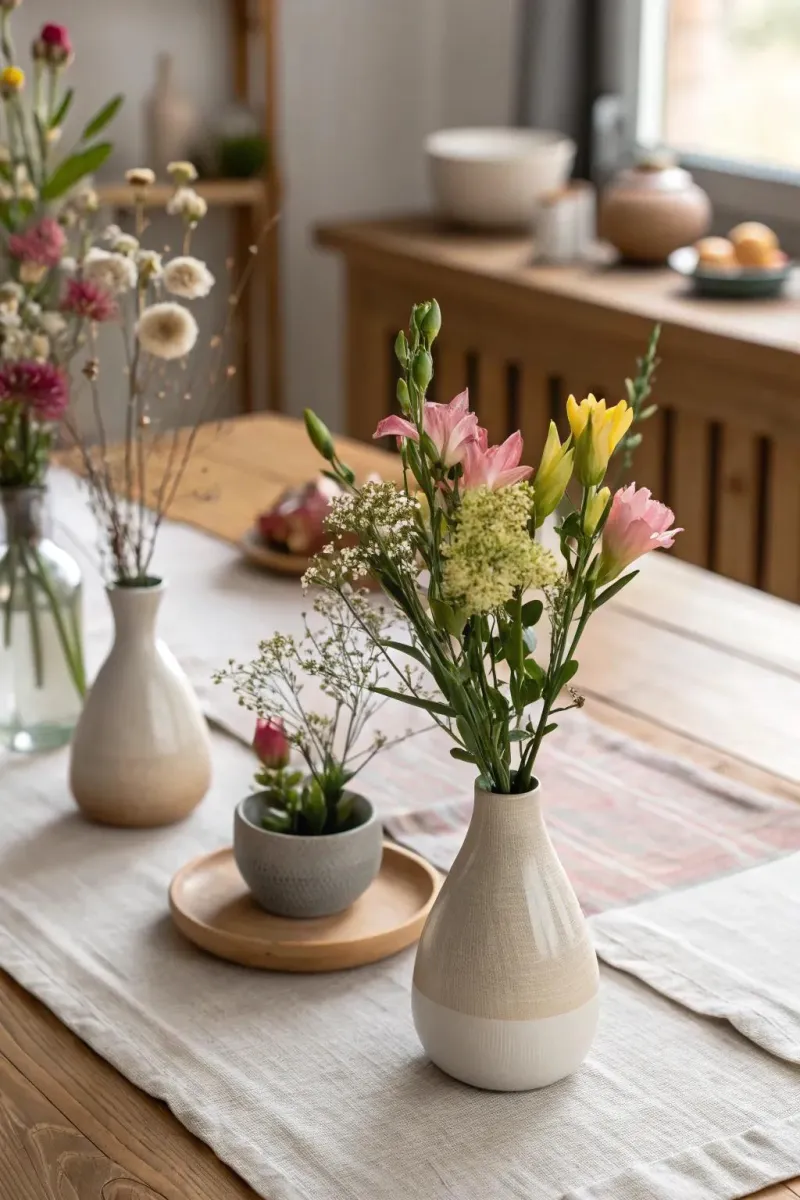
Photo: minimalist ikebana flower arrangement small apartment vase, via ohloft.com
There's a video format you've probably scrolled past a hundred times by now: someone in a cramped studio apartment, a $6 bunch of tulips from the bodega splayed across a thrifted table, hands moving slowly, deliberately, no voiceover except maybe lo-fi piano. No hook. No plot twist. Just stems, scissors, and a ceramic vase that cost less than the delivery fee on their last DoorDash order.
It's not a craft project. It's not even really about flowers. It's ikebana — the Japanese art of flower arranging — and it's colonizing the corners of American Gen Z life one shelfie at a time.
The Anti-Algorithm Hobby
Every other hobby Gen Z has been sold in the last five years came with a metrics problem. You didn't just run — you posted your split times. You didn't just knit — you documented the sweater in a nine-slide carousel. Somewhere along the way, doing things for fun became doing things for content, and the joy quietly drained out of the whole operation.
Ikebana, at least as it's showing up in American apartments, runs on a completely different operating system. Traditional Japanese flower arranging is built on principles that would make a growth hacker weep: asymmetry over symmetry, emptiness as a design element, the beauty of a stem that bends the "wrong" way. There's no finish line. The arrangement lasts a week, maybe ten days, and then you compost it and start over.
"The ephemerality is the point," says a Portland-based ikebana instructor who's seen her beginner workshops shift from retirees to 22-year-olds in the span of two years. "My young students tell me it's the only thing they do all week where nobody sees it. No camera comes out. It's just them and the stems."
Negative Space, Positive Vibes
The core philosophy — ma, or intentional emptiness — is what separates this from the mason-jar flower-crowd aesthetic of the 2010s. In ikebana, what you leave out matters as much as what you include. Three stems in a wide vase. Air between branches. A composition that breathes instead of bulges.
For a generation raised on maximalist dorm decor and gallery-wall pressure, that restraint reads as permission. You don't need forty stems and a floral foam brick. You need one interesting branch and the confidence to let it be weird.
The economics help, too. A farmers market bunch of ranunculus runs less than a movie ticket. The "vase" can be a jam jar, a teacup, a repurposed soy sauce bottle. It's one of the only aesthetic hobbies left where the barrier to entry is genuinely, honestly low — no gear, no membership, no subscription tier.
The Teachers Seeing the Wave
Ikebana schools with century-old lineages in Japan — Sogetsu, Ikenobo, Ohara — have all reported growing interest from young Americans, with several US-based chapters noting record enrollment among people under 30. Some found it through TikTok's "shelfie" trend, where creators style bookshelves with a single sculptural arrangement. Others came sideways, through the broader wabi-sabi wave: the kintsugi videos, the imperfect pottery, the whole embrace-your-flaws aesthetic that's been running through youth culture for a minute.
But the teachers will tell you the students stay for something else. "They come for the aesthetic and they stay because it's the quietest hour of their week," one Los Angeles instructor put it. "I've had students tell me it's better than their therapy app. I don't know about that, but I'll take it."
Start With Supermarket Carnations
Here's the beautiful part: you don't need a dojo or a lineage certificate. Grab whatever's marked down at Trader Joe's — carnations are criminally underrated, and alstroemeria lasts forever. Pick a container that's arguably too small. Cut one stem low, one stem high, one somewhere in between, and then — this is the hard part — stop. Walk away. Look at it from across the room.
If it feels a little sparse, a little off-balance, a little unfinished? Congratulations. You're doing it right.
Your feed won't know the difference. That's exactly the point.