Move Over, Seoul: Japanese Skincare Is Having Its Biggest Moment Yet
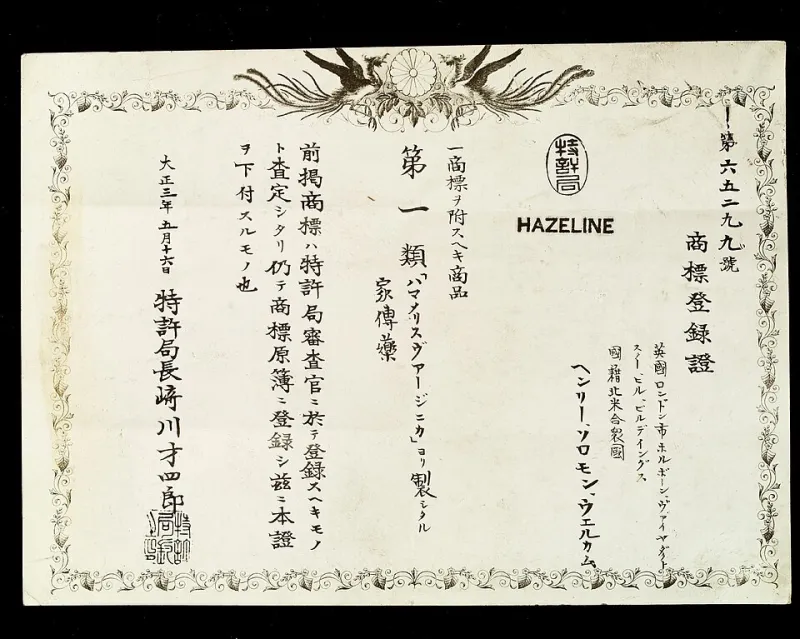
Photo: Unknown, CC BY 4.0, via Wikimedia Commons
For years, the skincare conversation in the US was basically one long love letter to Korea. Sheet masks, glass skin, 10-step routines, snail mucin — K-beauty wasn't just a trend, it was a whole lifestyle. Beauty editors couldn't stop writing about it. TikTok was flooded with "holy grail" hauls from Korean brands. Sephora dedicated entire sections to it. Seoul had officially colonized the American medicine cabinet.
But lately? Something's shifting. Scroll through #skintok for long enough and you'll start noticing a different aesthetic creeping in — quieter packaging, fewer steps, ingredients you recognize from your grandmother's pantry. Japanese skincare is back in the spotlight, and this time it's not riding a wave of hype. It's building something more lasting.
What's Actually Driving the Switch
Let's be real: K-beauty didn't fall off. It's still massive. But after years of maximalist routines and product overload, a lot of skincare enthusiasts — especially younger ones — are hitting a wall. Skin cycling became a thing for a reason. People got tired of using seven different actives and wondering why their face was red.
Enter Japanese skincare's core philosophy: less, but better. The Japanese approach to beauty, often called bihada (美肌, meaning "beautiful skin"), is rooted in the idea that your skin should function well on its own. You're not trying to transform it overnight. You're nurturing it over time.
This slower, more intentional mindset is resonating hard with a generation that's increasingly skeptical of overconsumption. Gen Z, in particular, has grown up watching influencers push 15-step routines and then quietly admit their skin barrier is destroyed. The pivot toward simplicity feels less like a trend and more like a correction.
The Layering Philosophy You Need to Understand
Here's where Japanese skincare gets genuinely interesting from a formulation standpoint. While Korean routines are famous for stacking multiple product types (toner, essence, serum, ampoule, moisturizer — the works), Japanese routines typically work through a more refined layering system using fewer, more concentrated steps.
The classic Japanese approach centers on lotion (which, confusingly, is closer to what Americans call a toner or essence — it's a hydrating liquid, not a thick moisturizer), followed by a milky emulsion, and then a targeted treatment or cream. That's often it. The idea is that each layer preps the skin to absorb the next one more effectively, rather than just piling on more product.
Formulations tend to lean heavily on fermented ingredients like sake and rice bran, botanical extracts rooted in traditional medicine, and ultra-gentle surfactants designed to cleanse without stripping. The result is a skin routine that feels almost meditative — and skin that tends to look dewy and healthy rather than aggressively "treated."
The Brands You Should Be Watching Right Now
Some of Japan's legacy brands are finally getting their flowers in the US market, while a new crop of indie labels is making noise in a big way.
Hada Labo has quietly become a cult favorite among skincare nerds for its hyaluronic acid-packed Gokujyun line. It's the kind of product that costs under $15 and makes your $80 serum feel unnecessary. Once Reddit's r/SkincareAddiction discovered it, there was no going back.
Tatcha might technically be a US brand, but it's built entirely around Japanese beauty traditions — and it's having a serious moment. Their Dewy Skin Cream and rice-based cleansers are everywhere from Ulta to Nordstrom, and the brand's storytelling around geisha skincare rituals has given it an almost mythological appeal.
Shiseido — a name that's been around since 1872 — is reintroducing itself to younger consumers with sleeker packaging and savvier social media. Their Ultimune serum has become a quiet bestseller, and the brand's recent collaborations have brought it back into cultural conversation.
On the indie side, keep an eye on Sana and Kiku-Masamune, both of which have been gaining traction through word-of-mouth and import beauty communities. These aren't brands with massive US marketing budgets — they're winning on formulation alone, which honestly feels refreshing.
The Ingredient Story That's Changing Everything
One of the biggest reasons Japanese skincare is resonating right now is the ingredient narrative. K-beauty gave us snail mucin and bee venom — cool, edgy, and a little gross in a fun way. Japanese skincare's ingredient story is different: it's ancient, agricultural, and deeply tied to place.
Rice bran (komenuka) has been used in Japanese beauty rituals for centuries. Sake fermentation byproducts are loaded with amino acids and kojic acid. Green tea from Uji. Seaweed from coastal fishing villages. These aren't lab-synthesized novelties — they're ingredients with centuries of documentation behind them, and in a world increasingly obsessed with food-grade and "clean" beauty, that origin story hits different.
There's also a growing interest in wabi-sabi as a beauty concept — the Japanese aesthetic of finding beauty in imperfection and impermanence. In a culture exhausted by filter culture and impossible skin standards, the idea that your skin doesn't need to look poreless and airbrushed is genuinely radical. Japanese beauty culture, at its best, leans into that.
Is This Just a Trend, or Is It Sticking Around?
Here's the honest answer: probably both. Some of the current enthusiasm for Japanese skincare is absolutely a reaction to K-beauty saturation — the beauty industry runs on novelty, and Japan is the next shiny thing for a lot of consumers who've already burned through their Seoul phase.
But underneath the hype, there's something more durable happening. The minimalist philosophy, the emphasis on long-term skin health over short-term results, the ingredient integrity — these aren't fleeting aesthetics. They're values that align with where a lot of conscious consumers are already heading.
K-beauty isn't going anywhere. But the idea that it has a permanent monopoly on the "cool Asian beauty" space? That's over. Japanese skincare has entered the chat, and it brought centuries of receipts with it.
Your bathroom shelf might be getting a makeover. And honestly? Your skin will probably thank you for it.