The Konbini Code: What Japan's 24-Hour Convenience Stores Are Teaching Gen Z About How the World Should Work
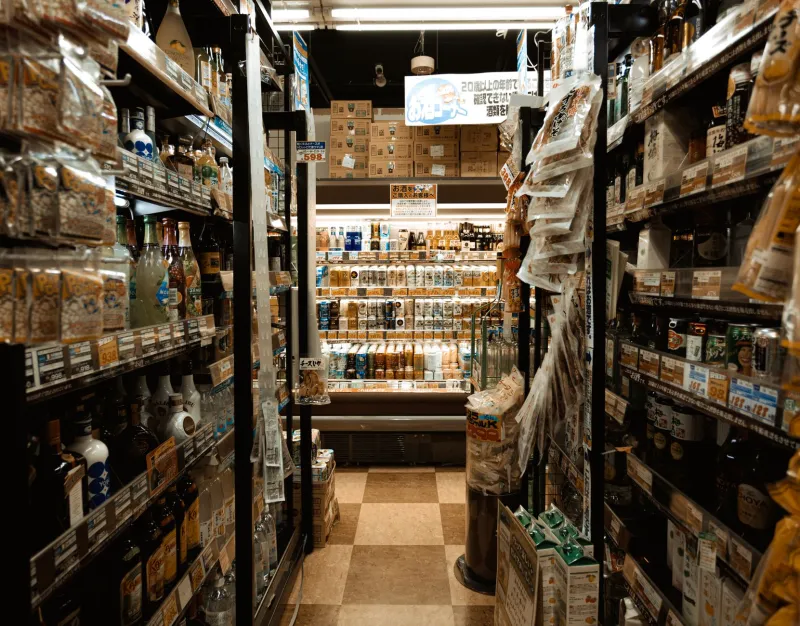
It's 2:47 a.m. somewhere in Tokyo, and a salaryman in a rumpled suit is standing under humming lights, quietly eating a perfectly crafted egg salad sandwich next to a college student printing her thesis and an elderly man picking up his blood pressure medication. Nobody stares. Nobody judges. The cashier bows slightly and says irasshaimase. This is the konbini — and once you understand what's actually happening inside one, you'll never look at a 7-Eleven the same way again.
American Gen Z has developed a full-blown obsession with Japanese convenience stores, and honestly? The reasons go a lot deeper than the aesthetics of a perfectly molded onigiri or a Pocky flavor that doesn't exist stateside. The konbini — short for convenience store, a term covering chains like 7-Eleven Japan, FamilyMart, and Lawson — has quietly become a cultural touchstone for a generation that's exhausted by friction, gatekeeping, and the general sense that quality things aren't meant for regular people.
More Than a Snack Run
Here's the thing about Japan's konbini that hits different when you actually look at it: these stores do everything. Pay your utility bills. Ship a package. Print government documents. Buy concert tickets. Get a hot meal that doesn't taste like it was assembled by a sad robot. Access an ATM that actually works internationally without a three-dollar fee. Pick up a quality umbrella when it starts raining on your way home.
The average Japanese convenience store stocks somewhere between 3,000 and 5,000 items, rotates seasonal offerings with genuine care, and maintains food quality standards that would embarrass most American sit-down restaurants. And it does all of this 24 hours a day, 365 days a year, without attitude.
For Gen Z — a generation that grew up watching American institutions crumble under bureaucratic weight while being told to just be patient — this is practically revolutionary.
The Zero-Judgment Zone
One of the things that TikTok and Reddit threads about konbini culture keep circling back to is the atmosphere. There's a specific kind of dignity baked into the Japanese convenience store experience. You can be broke, exhausted, hungover, crying, or all four at once, and nobody treats you like a problem to be managed. The staff is trained to be efficient and respectful, not performatively cheerful or subtly condescending.
For a generation hyperaware of how class and presentation affect the quality of service you receive — yes, that Starbucks order does get made differently depending on how you're dressed — the konbini's flat, egalitarian energy feels almost radical. A hot meal costs roughly the same whether you're a CEO or a part-time worker. The bathroom is clean for everyone. The lighting doesn't make anyone feel surveilled.
This is the part where Gen Z starts connecting dots. If a convenience store can operate this way at scale, what's stopping other institutions?
What the Konbini Model Says About Mental Health Access
Here's where the conversation gets genuinely interesting. A growing number of Gen Z creators and commentators have started using the konbini as a metaphor for what accessible mental health care could look like in America. The logic tracks: imagine if therapy were available the way konbini services are — no appointment three weeks out, no insurance maze, no waiting room that smells like carpet cleaner and defeat. Just... available. Consistent. Affordable. Non-judgmental.
Some Japanese konbini actually do stock mental health resources, anonymous helpline cards, and wellness products alongside the usual offerings. It's not a perfect system, but the gesture matters: help shouldn't be hidden behind a referral and a co-pay. It should be on the shelf next to the green tea KitKats.
American Gen Z has the highest rates of reported anxiety and depression of any generation, and they're also the most likely to cite access barriers as the reason they're not getting support. The konbini model — low barrier, high quality, available at all hours — is basically the design brief for the mental health infrastructure they've been asking for.
Instant Gratification, But Make It Thoughtful
There's a lazy critique of Gen Z that frames their love of instant access as pure impatience — the same discourse that blames avocado toast for the housing crisis. But the konbini obsession actually reveals something more nuanced. It's not that Gen Z wants everything fast. It's that they want things to work well, and they're tired of being told that quality requires exclusivity or that convenience has to mean cutting corners.
The konbini proves that's a false choice. A $2 rice ball from FamilyMart is made with better ingredients and more care than a $12 wrap from most American airport grab-and-go spots. Efficiency and quality aren't opposites — someone just decided to make them feel that way.
This reframing is huge. Gen Z isn't chasing instant gratification in a vacuum. They're reacting to a culture that has historically made them choose between fast and good, cheap and dignified. The konbini says: you don't have to choose.
The American Version Doesn't Have to Be a Letdown
Some cities are starting to get it. There's been a quiet rise of Japanese-style convenience concepts in urban centers — places that actually invest in fresh food, clean spaces, and staff who aren't treated like furniture. It's slow, but it's happening. And every time a new spot opens that takes the konbini ethos seriously, Gen Z shows up and shows out.
The cultural appetite is there. The demand signal is loud. What's missing is the institutional will to treat everyday convenience as something worth doing with integrity.
Until that changes, Gen Z will keep posting their konbini hauls from Tokyo trips, rewatching Studio Ghibli scenes set in glowing late-night stores, and using Japan's 24-hour culture as a measuring stick for what their own cities are failing to provide.
The Bigger Picture
At its core, the konbini isn't just a store. It's an argument — a living, breathing proof of concept that says society can choose to make daily life easier, more dignified, and more equitable if it actually wants to. The fact that this argument comes packaged in egg salad sandwiches and matcha soft-serve makes it no less serious.
Gen Z didn't fall for the konbini because they're obsessed with Japan (though, fair, they kind of are). They fell for it because it reflects the world they've been asking for all along: one where quality isn't gated, help is accessible, and nobody has to feel like a burden just for existing at 3 a.m.
The konbini gets it. Now if only everything else would catch up.